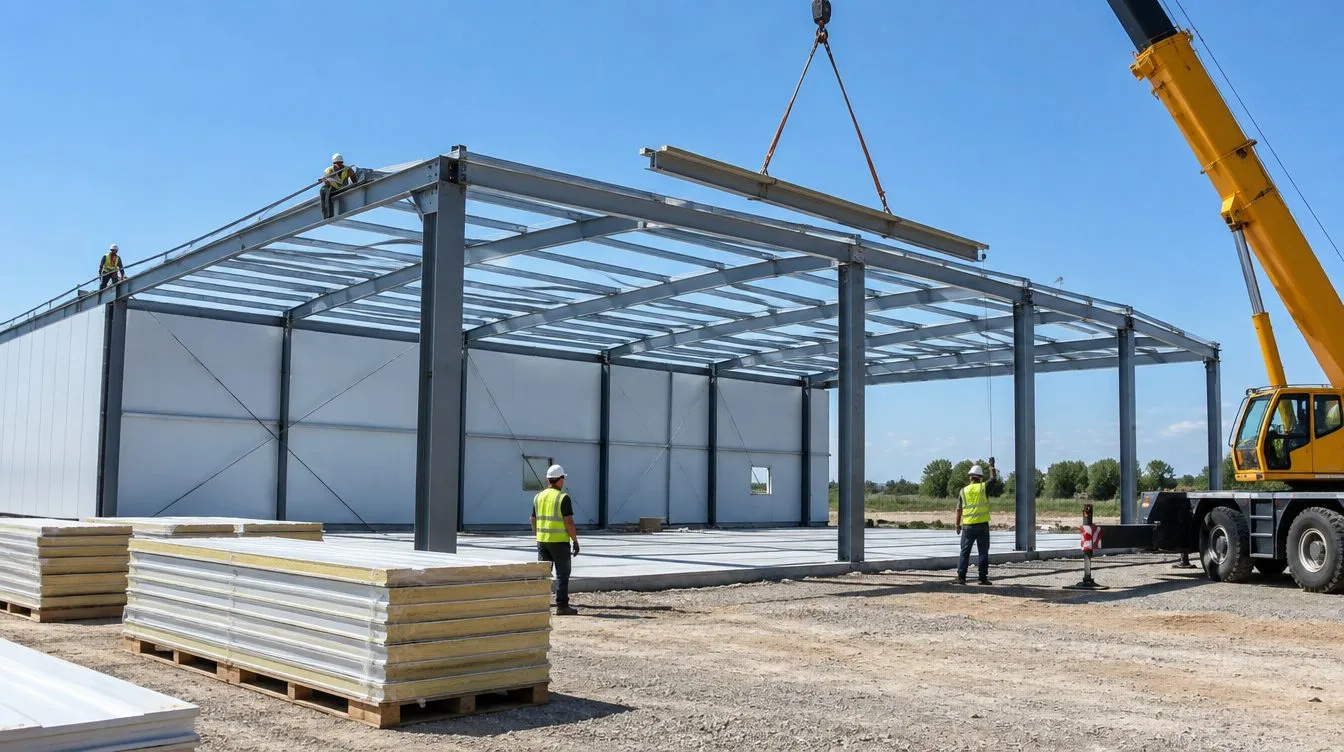
Energy efficiency is not a fashion but hard cash. Over the 30–50-year life of a building, several times more is spent on heating, cooling and lighting than on the construction itself. Solutions built in at the design stage are the cheapest and pay off many times over, whereas alterations to a finished building cost several times more.
In Kazakhstan's climate, with its sharp temperature swings, frosty winters in the north and hot summers in the south, the savings are especially noticeable. But the technologies work differently: some pay off in 2–3 seasons, others in 7–10 years. Let's look at what really delivers results and in what order to implement it.
The principle: building envelope first, then building services
The most common mistake is to start with expensive equipment. A heat pump in a poorly insulated house will run at the limit of its capacity, and solar panels will not save a building that "leaks" heat through its windows and junctions. The correct sequence is simple: first reduce losses, then lower the cost of every remaining kilowatt.
The building envelope
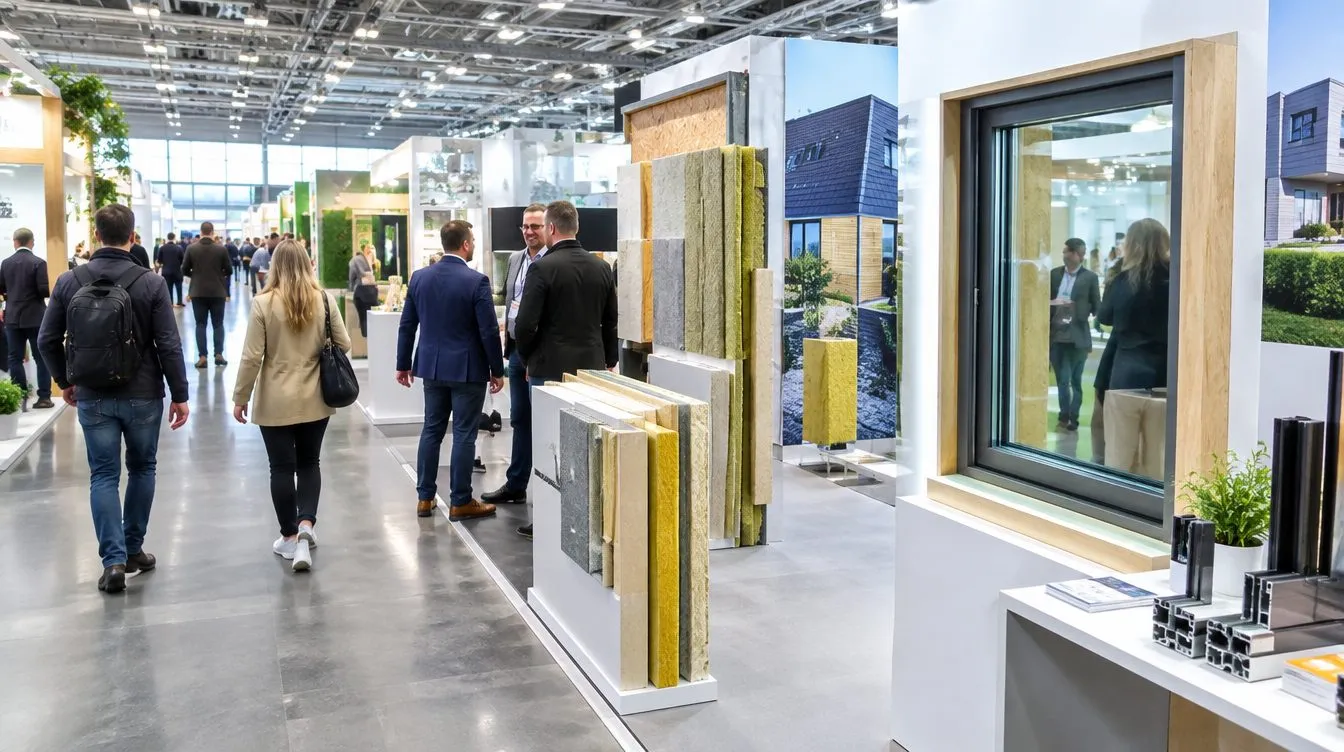
- Wall and roof insulation — mineral wool or PIR boards with a thickness suited to the climate zone. For Astana and Karaganda, wall insulation is, as a rule, noticeably thicker than for Shymkent or Almaty; the exact value is given by a thermal performance calculation according to the SP RK code of practice.
- The roof and the floor above the basement — up to a quarter of the heat escapes through them; they are cheaper to insulate than walls and pay off faster.
- Windows and glazed facades — energy-saving double-chamber (triple-glazed) units, warm profiles and warm installation without thermal bridges.
- Airtightness — control of junctions, joints and utility penetrations. If air passes freely through the structure, the insulation does not work.
A typical mistake Thick insulation with poorly detailed junctions: a floor slab extending to the facade or a metal lintel without a thermal break creates a thermal bridge. Condensation, mould and a freezing point appear at that spot — and the savings from insulation go on repairs.
Building services
Once losses have been reduced, lower-capacity equipment can be selected — and that in itself already reduces the budget.
- Ventilation with heat recovery returns up to 70–85% of the heat from the exhaust air. For offices, schools and production facilities with high air exchange rates, this is one of the most cost-effective measures.
- Heat pumps provide heating and hot water, producing 3–4 kW of heat per 1 kW of electricity. They work best with low-temperature systems — underfloor heating and oversized radiators.
- Solar collectors for hot water supply: in the southern regions, from spring to autumn they cover most of the demand for hot water.
- Automation and weather-compensated control — the boiler or heat pump operates according to the outdoor temperature and a schedule rather than "at full power". This means roughly 10–15% savings with a small investment.
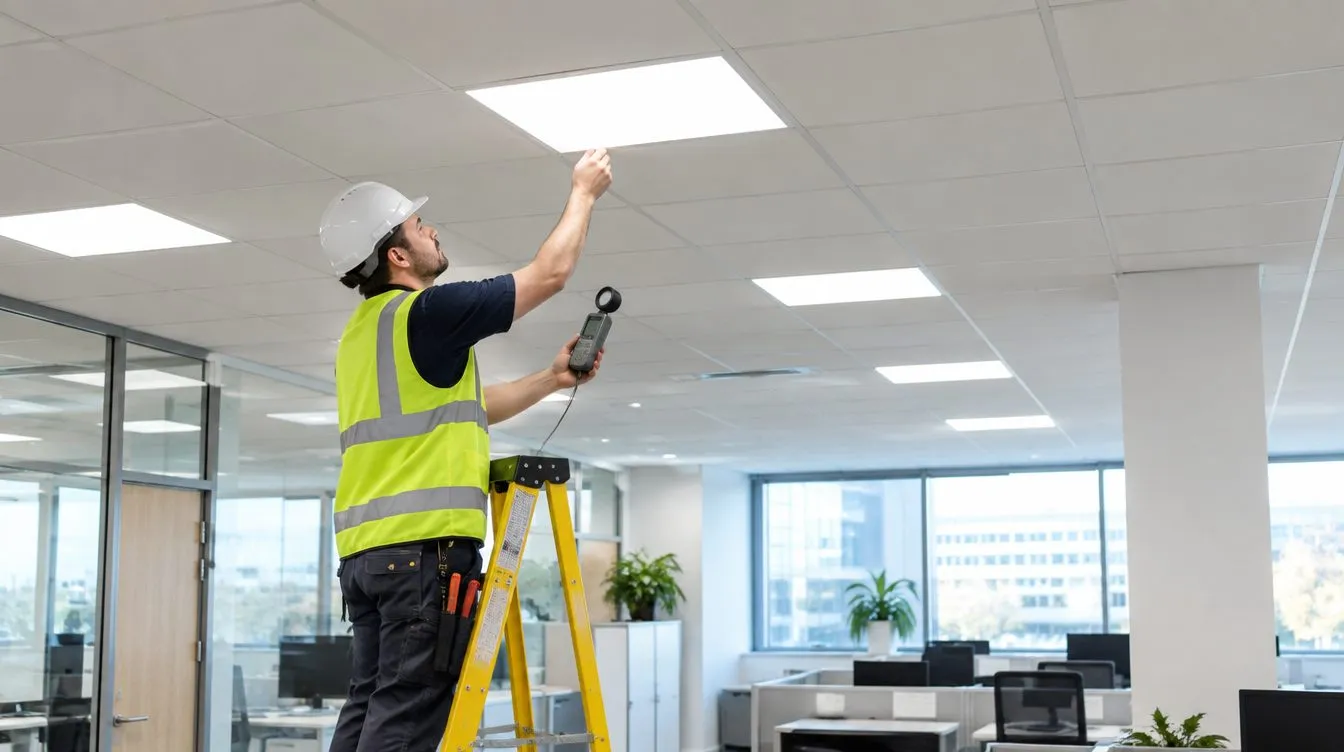
- LED lighting with sensors — especially for warehouses and workshops. You can check the required illuminance in our lighting calculator.
On-site generation
Solar power plants on the roof or on the plot reduce electricity bills for production facilities, warehouses and retail premises that operate during the day: peak generation coincides with peak consumption. For a private house, the benefit depends on how much energy is consumed during the day.
The payback period depends on the tariff, consumption pattern, roof orientation and the share of self-consumption. We calculate it individually at the design stage rather than using an "average figure from the internet".
What pays off faster: guidelines
| Measure | Effect | Payback (approximate) |
|---|---|---|
| Automation, weather-compensated control | 10–15% on heating | 1–2 years |
| LED lighting with sensors | 50–70% on lighting | 1–3 years |
| Insulation of the roof and floors | a significant reduction in heat loss | 2–5 years |
| Heat recovery in ventilation | up to 70–85% of exhaust heat | 3–6 years |
| Heat pump | 2–3 times lower heating costs than an electric boiler | 5–8 years |
| Solar power plant | lower daytime electricity bills | 5–10 years |
The figures are market averages; the actual result depends on the property, tariffs and the quality of installation.
How we implement energy-efficient solutions
- Survey Analysis of bills for 1–2 years, inspection of the building envelope and building services, thermal imaging if necessary.
- Calculation and priorities A thermal performance calculation and a list of measures with the budget and payback period of each — you can see what will deliver results first.
- Design Insulation details without thermal bridges, equipment selected for the actual load, an automation diagram.
- Installation and commissioning Our own crews, inspection of concealed works, automation set-up.
- Monitoring the result Comparison of consumption before and after during the first heating season.
Checklist before an upgrade
- energy bills for at least one year have been collected;
- it is known where the building loses the most heat;
- the measures have been sorted by payback period;
- equipment is selected after insulation, not before;
- the design details the junctions and penetrations;
- automation and the possibility of metering consumption are provided for.
Tip If the building is still being designed, build in energy efficiency right away: an extra 5–10 cm of insulation and a heat recovery unit at the design stage cost less than any upgrade five years later.
The company designs and builds energy-efficient buildings and upgrades existing facilities — from private houses to production buildings. Learn more about this area in the "Energy efficiency" section.
We'll calculate what will pay off for you Send us your energy bills and property details — we will prepare a list of measures with payback periods.
Get a calculation