Most regions of Kazakhstan get many sunny days a year, especially the south of the country. For businesses with a daytime consumption peak, their own solar power plant reduces electricity costs and protects against tariff increases. But the benefit is not the same for everyone: it depends on the load profile, the area available for panels and the chosen connection scheme.
Who a solar plant suits
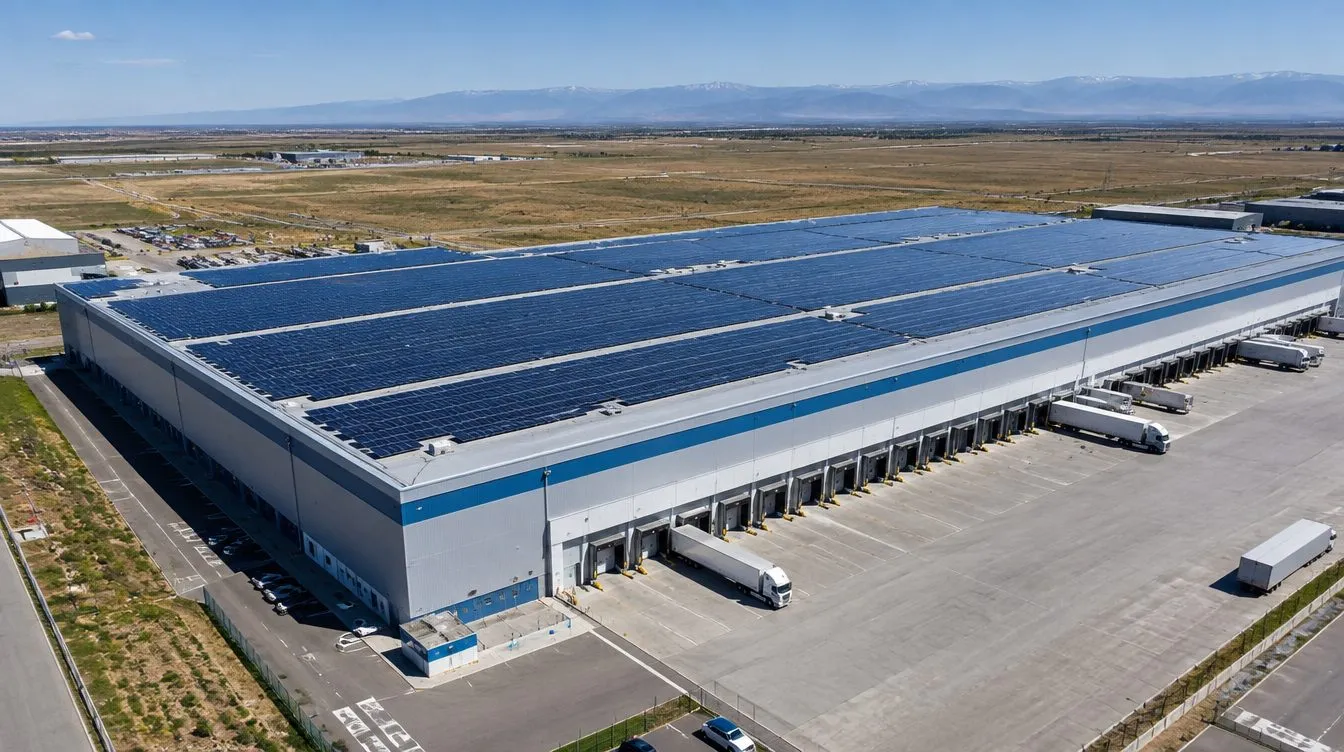
- warehouses and logistics centres with a large flat roof area;
- production facilities working day shifts;
- retail and office centres with air conditioning — the load peak coincides with the solar peak;
- agricultural businesses: pumps, refrigerators, dryers;
- facilities far from the grid, where connection is expensive or capacity is insufficient.
Good to know The main payback factor is the match between generation and consumption. Energy that the business uses itself at the moment of generation gives the maximum savings. If the main load falls at night, the plant will need batteries, which noticeably increases the budget and the payback period.
Connection schemes
| Scheme | How it works | Who it suits |
|---|---|---|
| Grid-tied (on-grid) | Operates in parallel with the grid, generation covers the load directly | Businesses with a daytime schedule — the fastest payback |
| Hybrid | Grid plus batteries for backup and peak shaving | Facilities where uninterrupted supply matters: cold stores, server rooms |
| Stand-alone (off-grid) | Panels, batteries, often a backup generator | Remote facilities without a grid connection |
How to assess the benefit: step by step
- Consumption profile Analysis of bills and metering data by hour and month: how much energy is consumed during the day, what the peaks are, whether there is seasonality.
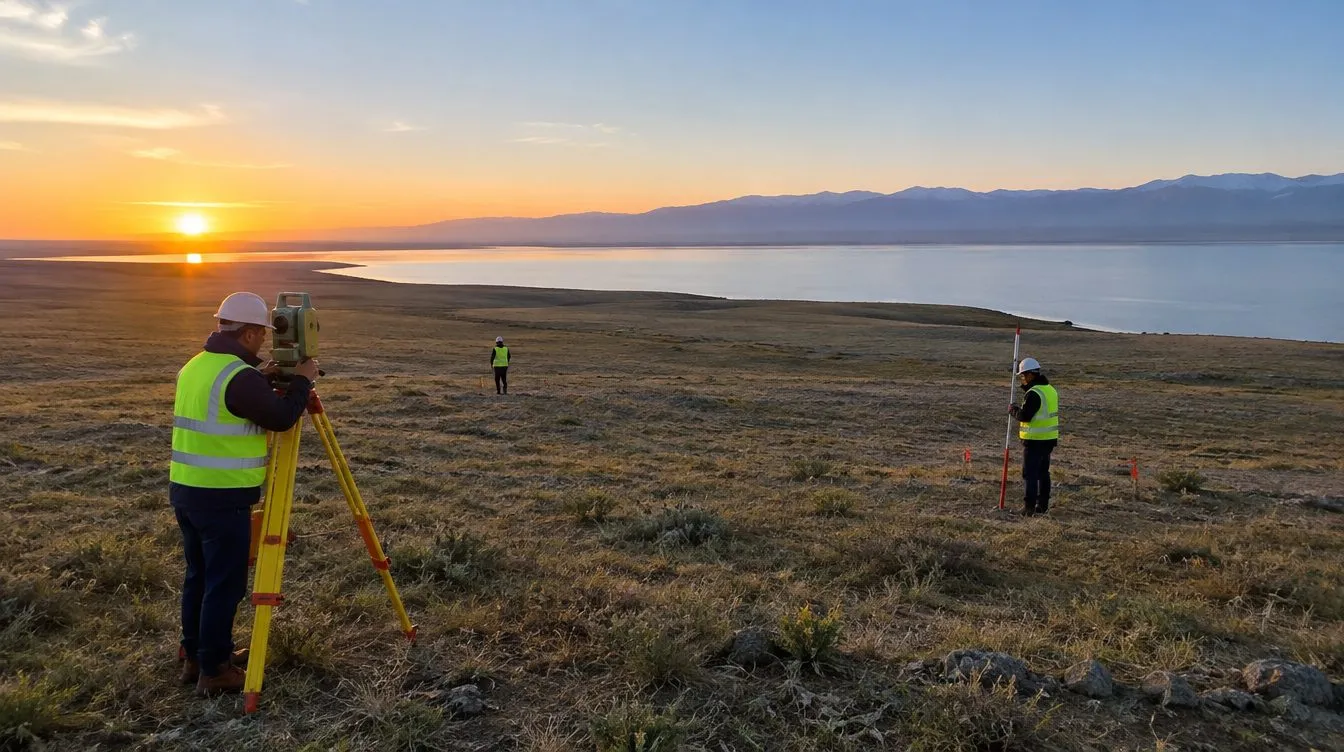
- Site survey Area, orientation and shading of the roof or plot, load-bearing capacity of the structures, condition of the roof covering.
- Yield calculation Modelling for the specific region, taking into account the tilt angle, temperature losses and panel soiling.
- Capacity selection The plant is sized so that maximum generation is consumed on site, without a surplus that has nowhere to go.
- Project economics Comparing savings with capital and maintenance costs — the payback period and the effect over the entire service life.
- Design and approvals Working documentation, approval of the connection scheme with the power supply company.
- Installation and commissioning Installation of mounting structures and panels, inverters and protective switchgear, setting up the monitoring system.
Tip Before the calculation, collect monthly electricity bills for at least a year, or better still, hourly meter data. The more accurate the input data, the more accurate the payback forecast and the lower the risk of getting the capacity wrong.
Roof or ground
Rooftop plant
- takes up no land;
- short cable runs to the switchroom;
- requires checking the load-bearing capacity and condition of the roof;
- maintenance is harder — access to the roof is needed.
Ground-mounted plant
- easier to maintain and clean the panels;
- easy to scale;
- the optimal tilt angle can be chosen;
- requires a plot, fencing and foundations for the supports.
What affects the cost of the plant
The project budget is made up of equipment (panels, inverters, mounting structures, cable and protective switchgear), design, installation and commissioning. The total is most affected by the plant's capacity, the type of installation (roof or ground), the need to strengthen structures, the distance to the connection point and the presence of batteries. The specific cost per kilowatt usually falls as capacity grows: a plant of hundreds of kilowatts is cheaper per unit than a small system. The implementation time for a typical business project is approximately 2 to 4 months, including design, equipment supply and approvals.
Typical mistakes
Warning The most expensive mistakes are made before installation: incorrectly calculated capacity, a roof without a structural check and no maintenance plan.
- Capacity "with a margin". Excess generation without batteries and without the ability to export to the grid brings no savings.
- Installation on an old roof. If the covering has to be replaced in 3–5 years, the plant will have to be dismantled.
- Ignoring shading. Shade from a parapet, ventilation shaft or neighbouring building reduces the output of the entire string of panels.
- Saving on inverters and protection. These components are what most often determine the reliability of the system.
- No monitoring. Without output monitoring, a drop in efficiency can go unnoticed for months.
Operation
A solar plant requires almost no maintenance, but a few things need to be done regularly: cleaning the panels (more often in dusty regions), checking the tightness of fixings and the condition of cables, and tracking output in the monitoring system. Regular panel cleaning noticeably increases annual output — especially in the south with its dust and dry climate.
A solar plant pays off when it is designed for the business's actual consumption, not for the size of the roof.
How we work
First Construction Company designs and builds turnkey solar power plants — from consumption analysis and yield calculation to installation, commissioning and monitoring. Learn more about this area on the "Solar panels" page and in the "Energy efficiency" section, which also covers heat pumps and solar collectors. If the plant is installed on a roof, our engineers will check the building structures and, if necessary, strengthen them.
Assess the benefit for your business Send us your consumption data — we will calculate the output, plant capacity and approximate payback period.
Get a calculation