Following the nationwide referendum of 6 October 2024, Kazakhstan decided to build a nuclear power plant. The area near the village of Ulken in the Almaty Region was chosen as the site. Projects of this scale go far beyond energy: they generate demand for construction work for years ahead and set a new bar for quality, documentation and contractor discipline.
Good to know The timeline, general contractor, reactor technology and scope of work are determined and officially announced by the relevant government bodies. In this article we do not forecast specific figures, but examine how large energy projects in general affect the construction industry — this applies equally to nuclear plants, combined heat and power plants, large renewable energy plants and grid infrastructure.
What work is needed besides the plant itself
The nuclear island and the turbine hall are built by highly specialised organisations with international experience. But around the main facility there is always a large pool of general-purpose work where national contractors are in demand:
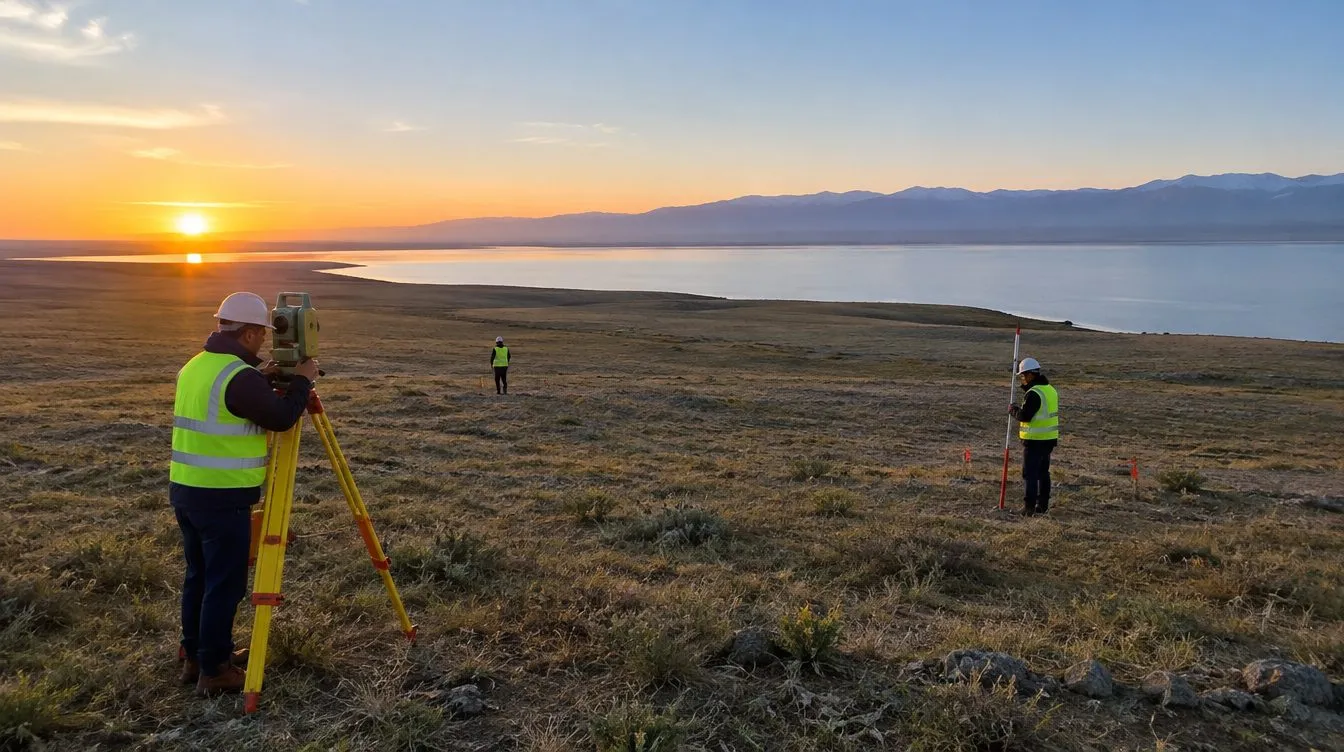
- engineering surveys and site preparation;
- roads, railway access lines, bridges;
- rotation camps and residential settlements for personnel;
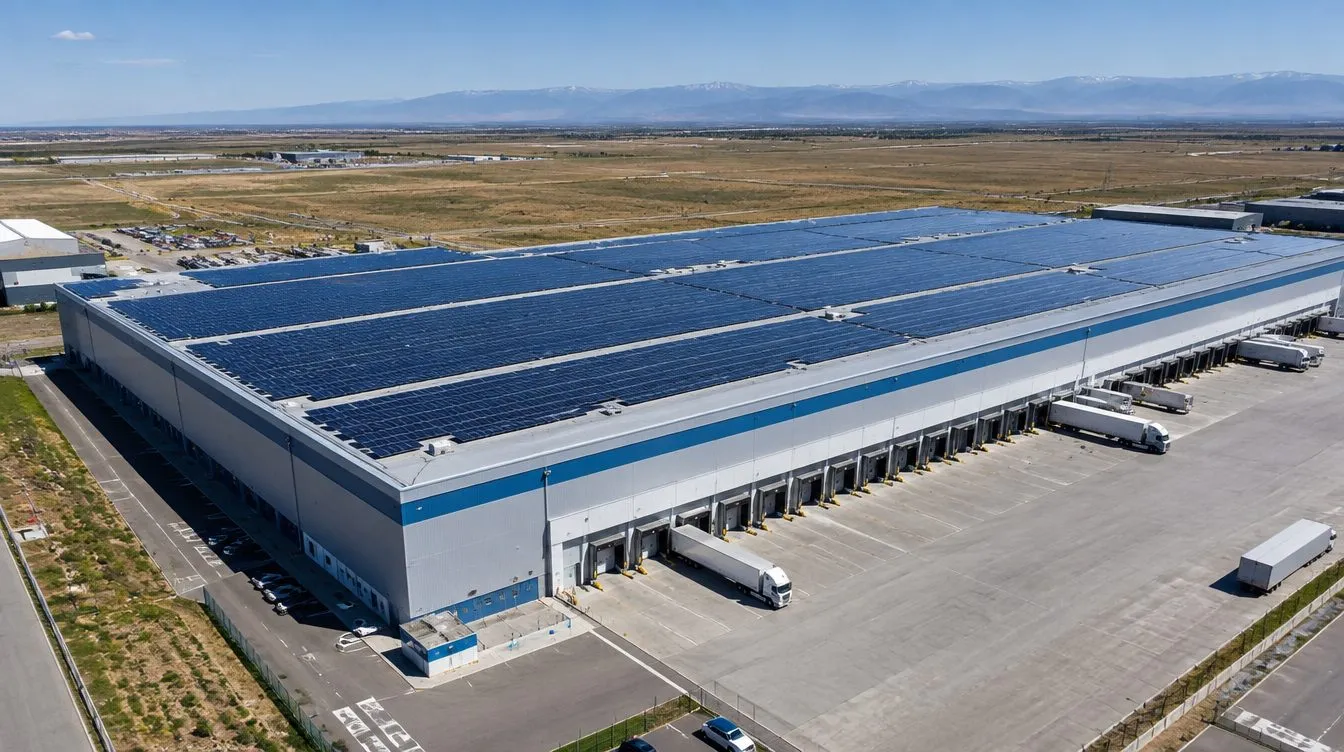
- warehouses, production bases, concrete batching plants;
- power transmission lines and substations;
- social infrastructure facilities: schools, outpatient clinics, sports facilities;
- utility networks of settlements — water supply, sewerage, heat supply.
How a large project unfolds over time
Any large energy facility follows a similar logic: construction work comes in waves, and each wave calls for different competencies.
- Surveys and design Engineering-geological, geodetic and environmental surveys, development of design documentation and its expert review. Demand for designers, surveyors and laboratories.
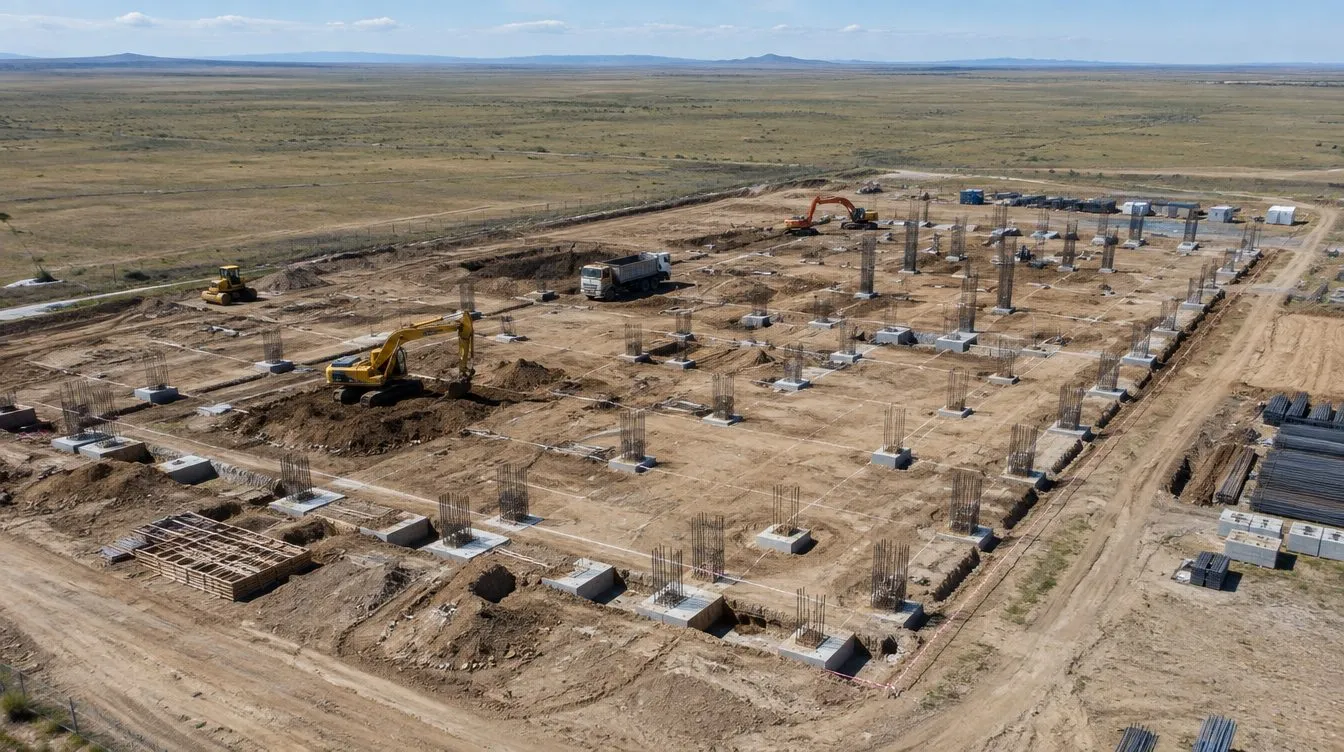
- Preparatory period Temporary roads, storage areas, construction power supply, rotation camps, concrete and rebar yards. This calls for general construction contractors and a fleet of special machinery.
- Main construction The main buildings are erected by specialised organisations, while around them go auxiliary buildings, networks, roads, administrative and amenity buildings.
- Associated infrastructure Housing for personnel, social facilities, reconstruction of networks in nearby settlements.
- Commissioning and operation Maintenance of buildings and networks, repairs, upgrades — long-term demand for operation and repair services.
Requirements for contractors
Energy facilities have strict requirements for documentation, quality control and occupational safety. Companies that know how to work systematically are valued: incoming inspection of materials, as-built documentation, laboratory testing, technical supervision.
| Requirement | What it means in practice |
|---|---|
| Traceability of materials | Certificates and data sheets for every batch, incoming inspection, record logs |
| As-built documentation | Certificates for concealed works, as-built diagrams, geodetic surveys — at the time the work is done, not "later" |
| Laboratory control | Testing of concrete, welded joints, soil compaction |
| Occupational safety | Personnel clearances, work permits, briefings, on-site supervision |
| Schedule management | A detailed schedule, weekly reporting, coordination with other contractors |
| Licences and permits | Valid permits for the relevant types of work |
Attention Typical reasons why contractors drop out of large projects:
- as-built documentation is kept late, and the work is not accepted;
- no own machinery or laboratory — dependence on rental companies leads to missed deadlines;
- materials without a full set of documents, which cannot be used on site;
- an insufficient reserve of personnel for rotational work.
What this means for the industry as a whole
Opportunities
- long-term demand for general construction and infrastructure work;
- growth of competencies: the quality culture of large projects carries over into ordinary construction;
- development of local production of materials and structures;
- demand for special machinery, logistics and rotational housing.
Risks
- competition for qualified specialists and rising labour costs;
- increased demand for materials and machinery in the region;
- a high entry threshold in terms of documentation and quality control;
- long payment cycles on large contracts.
Private and commercial clients in the region should also take this into account: with large-scale construction nearby, the workload of contractors and special machinery increases, so it is better to plan your own projects in advance and fix the timeline and cost in the contract.
Experience that will come in handy
Building rotation camps, industrial bases and roads are areas in which the company has worked for many years. Such competencies are in demand on any major infrastructure project in the country.
- industrial construction — warehouses, production bases, auxiliary buildings;
- industrial design and support through expert review;
- technical supervision and control of as-built documentation;
- our own fleet and special machinery rental for the preparatory period;
- civil construction — housing and social facilities.
Large energy projects are won by contractors who work systematically: documents, control and deadlines matter more than speed "at any cost".
Examples of completed facilities can be found in the projects section, and information about the company on the about us page.
Planning an industrial or infrastructure facility? We will discuss the task and prepare an estimate and a work schedule that take into account the market workload in the region.
Submit a request