Everything depends on the choice of general contractor: the timeline, the budget, the quality and the client's peace of mind for the next year or two. The tender price is an important but not the only criterion: the cheapest offer often turns into the most expensive project because of supplementary agreements, downtime and rework.
The general contractor is responsible to you for the entire project: it organises the work of subcontractors, supplies, machinery, documentation and handover. That is why you need to check not only the price but also how the company manages the construction. Below are eight questions worth asking before signing the contract, and what to look out for in the answers.
8 questions for a general contractor
1. What similar projects have you built?
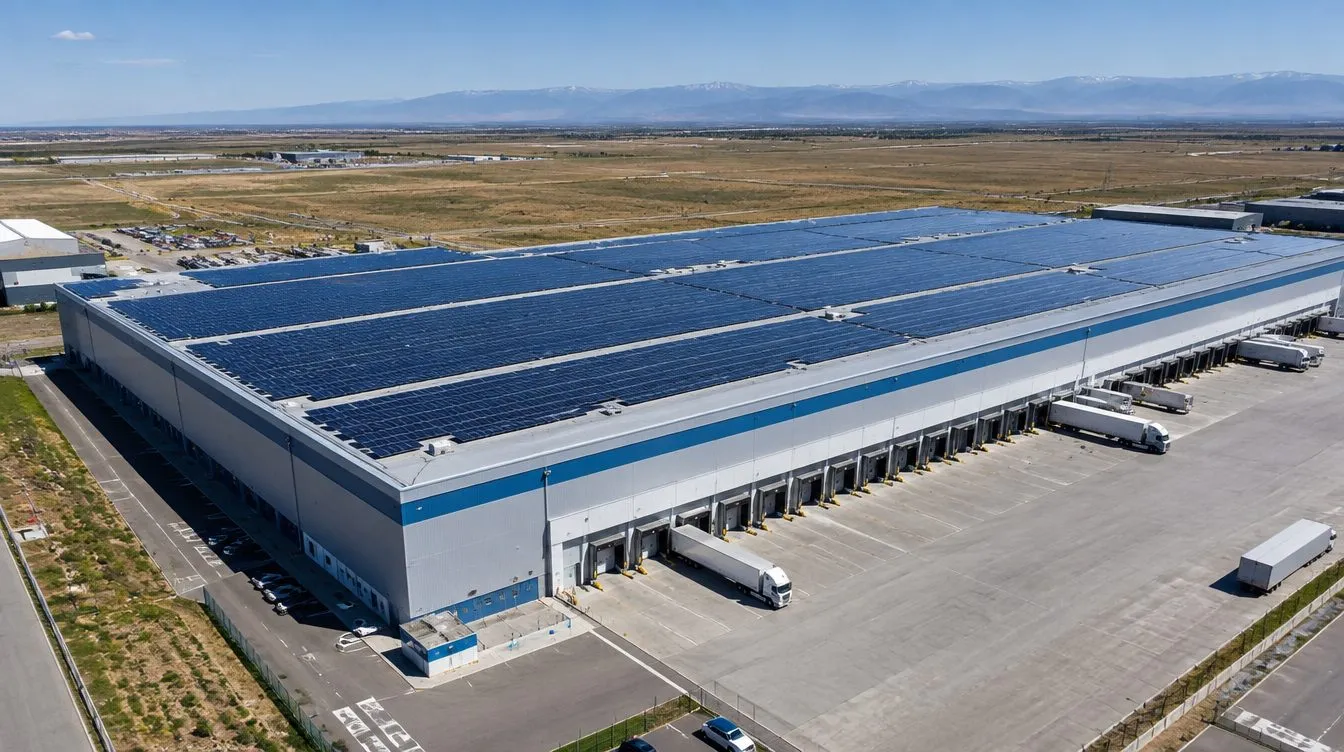
A warehouse, a school and a residential complex are technologically different projects. Ask to be shown projects of the same type and scale, preferably with the opportunity to visit an operating facility or talk to the client. A good answer contains specifics: floor area, timeline, what was difficult and how it was solved. Our completed projects are collected in the "Projects" section.
2. Do you have licences of the required category?
Check that the company holds a state licence for construction and installation works of the required category and permits specifically for your types of work — for example, for installing steel structures or utility networks, or for work in seismic areas. Verify the data in public registers, not just against a copy in a presentation.
3. What work do you carry out in-house?
Own crews, engineers and special machinery mean less risk of missed deadlines: the contractor does not depend on the availability of other people's staff and machines. Ask what share of the work is subcontracted and who those subcontractors are. If the general contractor merely "resells" the work, you pay an unnecessary mark-up and lose control.
4. How is the estimate structured?
A good estimate is detailed and tied to the design: quantities by section, materials with grades, unit rates and a clear procedure for price changes. A one-line "approximate" estimate is almost a guarantee of supplementary agreements. Learn more about how an estimate is prepared on the "Estimate preparation" page.
5. How do you control quality?
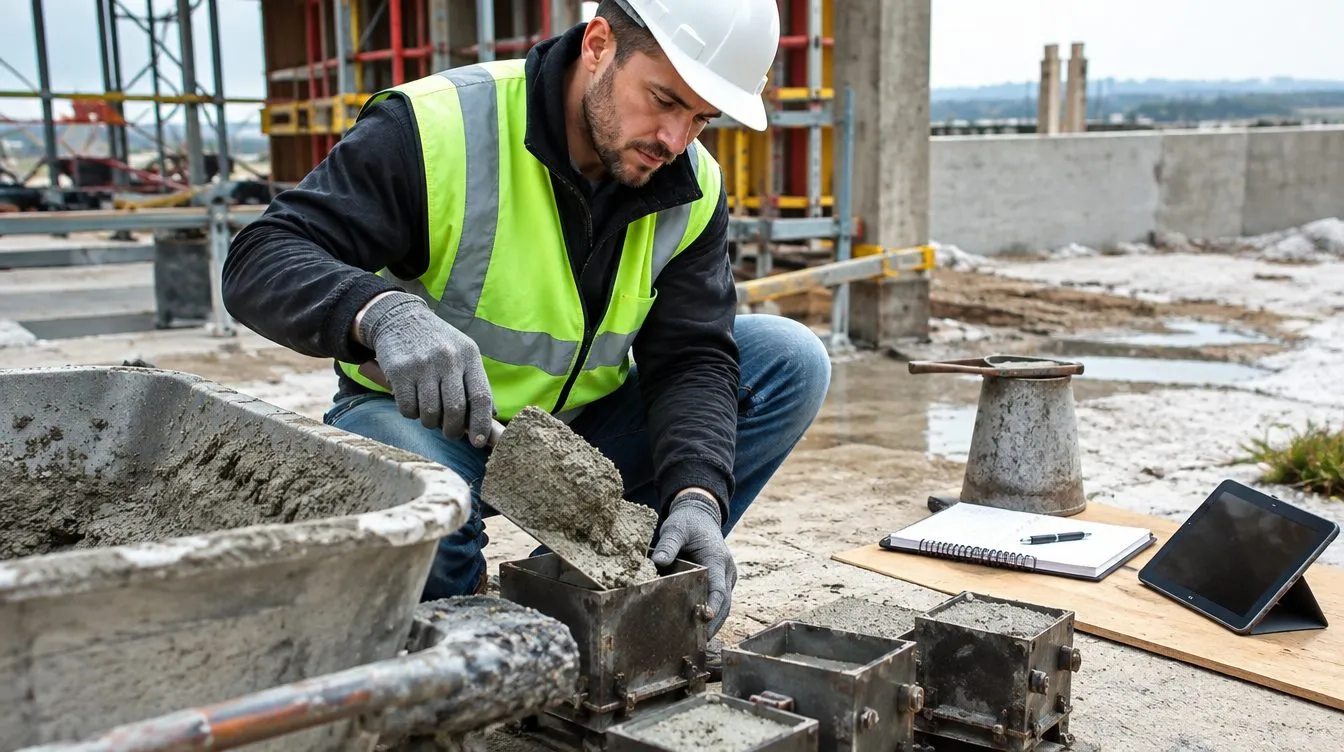
Look for a system, not promises: incoming inspection of materials with certificates, laboratory testing of concrete and welds, inspection certificates for concealed works, as-built documentation. It is also worth arranging independent technical supervision on the client's side.
6. How does the client find out about progress?
Regular reports, photo records, a schedule with completion marks, online access to documents. Our clients have a personal account on the website: requests, statuses, estimates and photo reports for the project in one place. If the contractor only offers "call us if anything comes up", monitoring will cost you a lot of time.
7. What warranties do you give?
The warranty period for structures, building services and finishes, and the procedure and timeframe for rectifying defects, must be set out in the contract. Common practice is a retention of part of the payment until the end of the warranty period or until defects identified after the first season of operation have been rectified.
8. Who is my contact person?
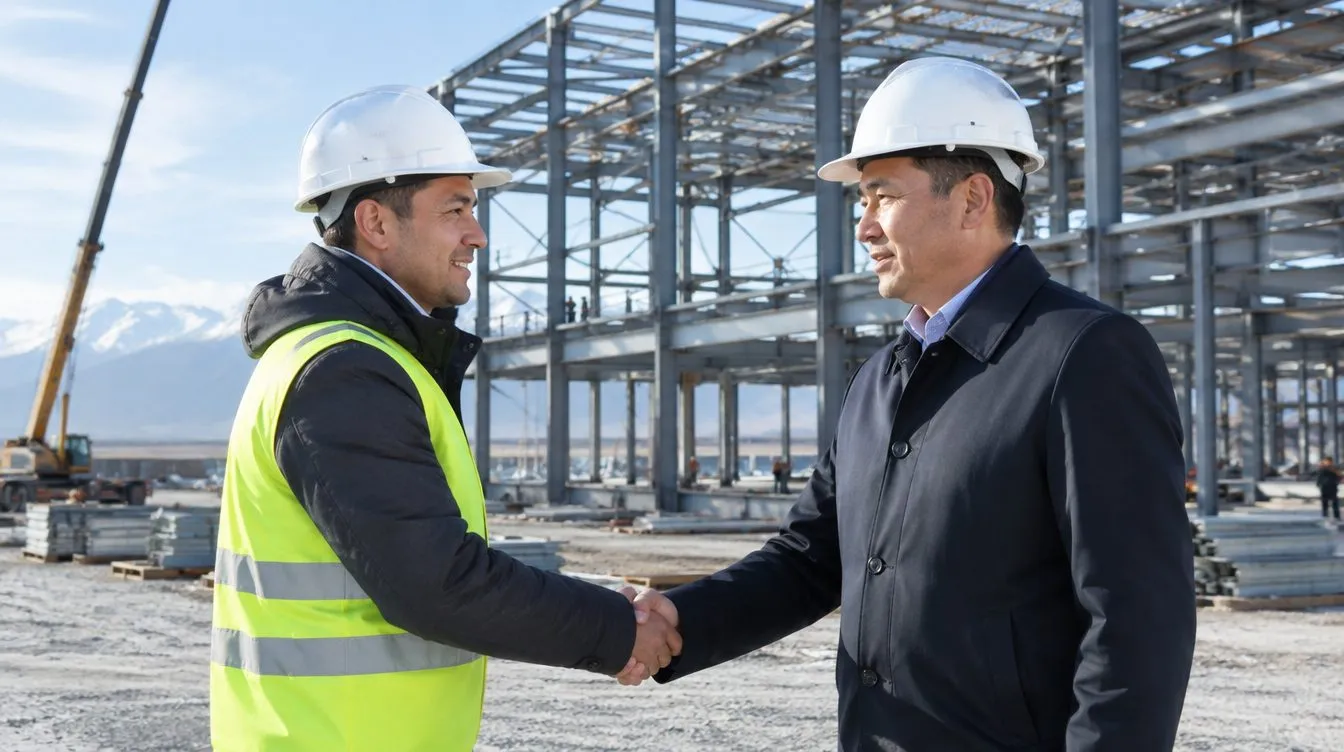
A single responsible project manager with decision-making authority saves weeks of approvals. Find out who will be the site foreman, who is responsible for documentation and how quickly issues requiring your involvement are resolved.
Good to know It is worth getting the answers to these questions in writing — in the commercial proposal or in the appendices to the contract. A manager's verbal promises at the sales stage have no legal force.
How to compare offers
| Criterion | Reliable contractor | Cause for concern |
|---|---|---|
| Estimate | by design section, with quantities and grades | a single "turnkey" sum with no breakdown |
| Advance payment | tied to stages and deliveries | 50% or more upfront with no schedule |
| Schedule | month by month, with milestones | "we'll build it in six months" |
| Resources | own crews and machinery | everything subcontracted |
| Reporting | photos, certificates, online access | only on request |
Red flags
Attention These signs do not always indicate bad faith, but each one requires an explanation before the contract is signed.
- a price noticeably below the market with no clear explanation;
- reluctance to detail the estimate;
- a large advance payment not tied to stages;
- no design documentation "so we can start sooner";
- a contract without a schedule, penalties for delays or an acceptance procedure;
- no opportunity to visit an operating facility.
Checklist before signing the contract
- the company's licences and registration details have been checked;
- the estimate is tied to the approved design;
- the work schedule and the payment schedule are aligned with each other;
- warranty periods and the retention are specified;
- responsible persons have been appointed on both sides;
- the procedure for changing quantities and price is defined;
- technical supervision by the client is provided for.
Tip Before comparing contractors, estimate the budget yourself — for example, with our construction cost calculator. This way you will immediately spot offers that are far out of line with the market.
We have been on the market since 1994 and provide turnkey general contracting: from surveys and design to commissioning of the facility. Learn more about the company in the "About us" section. Ask us these questions — we will answer every one.
Ask us all 8 questions We will show you our projects, an estimate and a schedule — before the contract is signed.
Submit a request