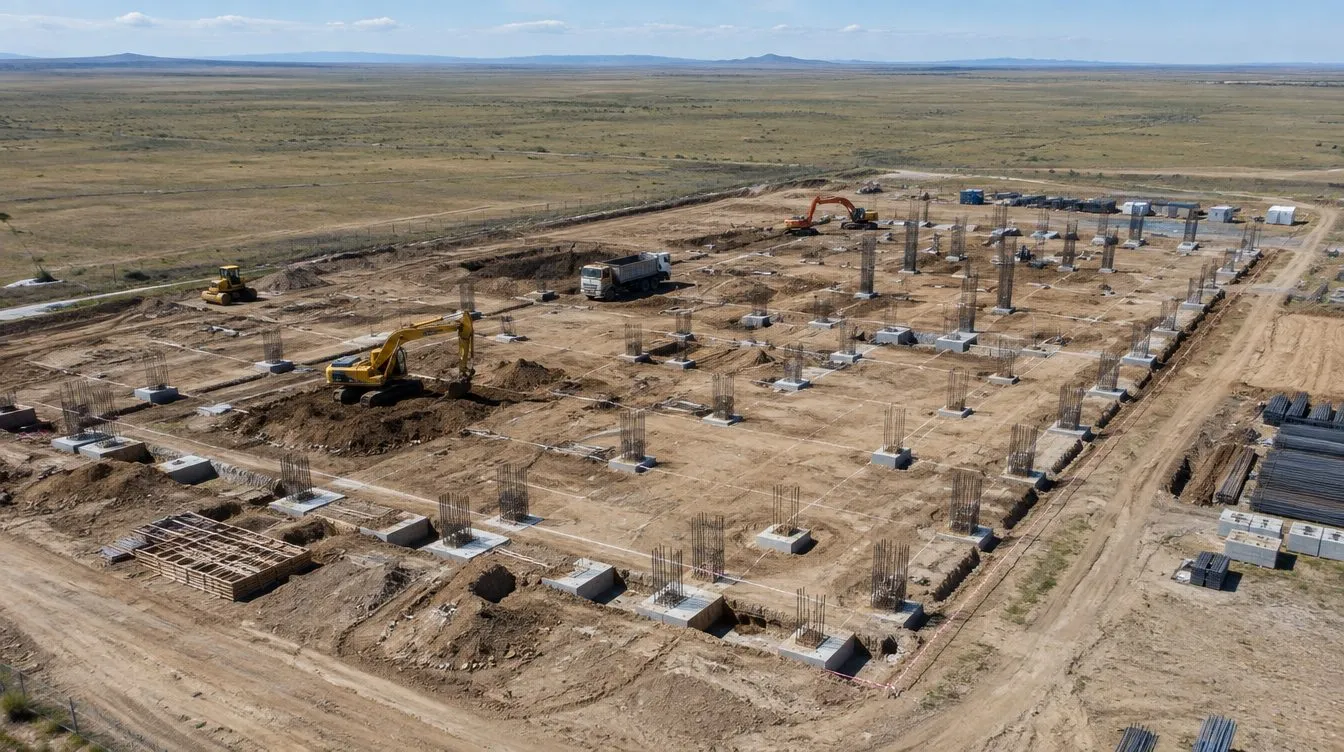
Technical supervision is the client's "eyes and hands" on site. The technical supervision engineer verifies that works are performed in line with the design, the codes and with materials of the required quality, and that the quantities in the acts match reality. Put simply, the engineer makes sure you pay exactly for what has been built — and that it has been built correctly.
What technical supervision controls
- compliance of works with the design documentation and the SN RK / SP RK codes;
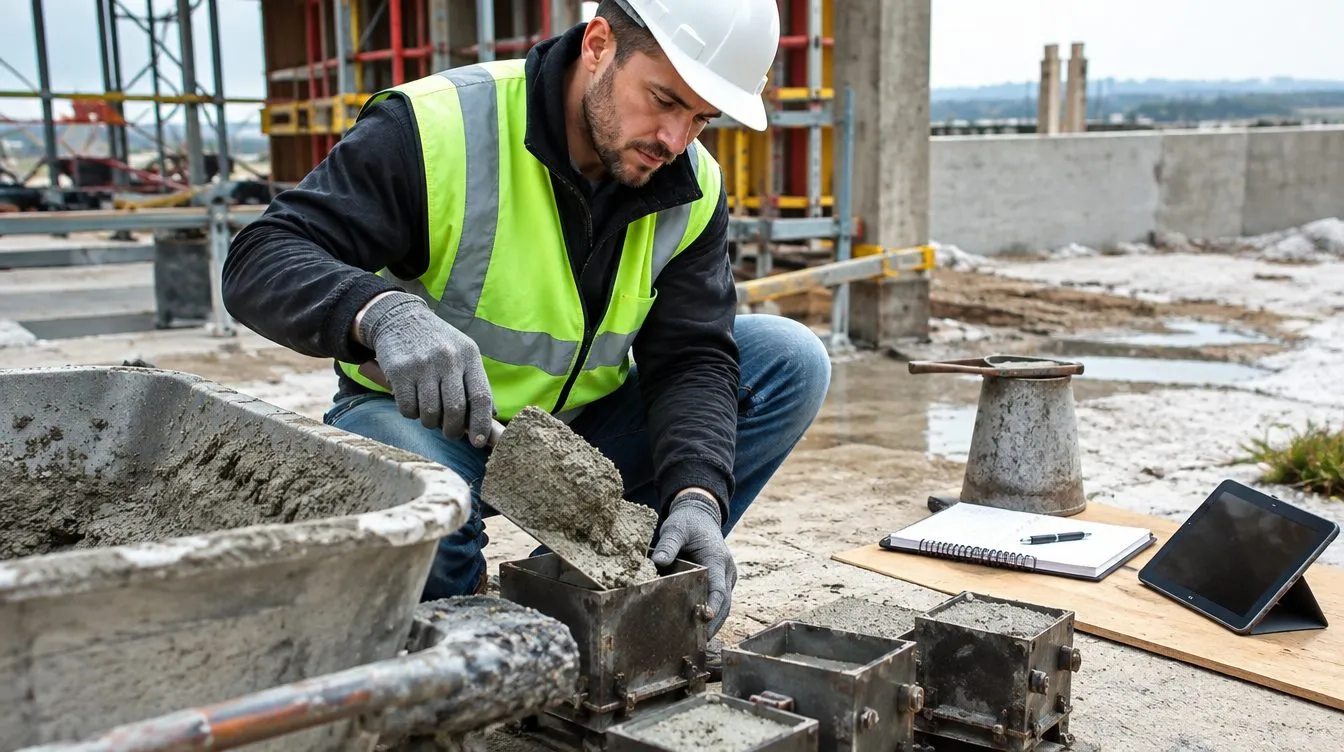
- quality of materials and availability of certificates and data sheets;
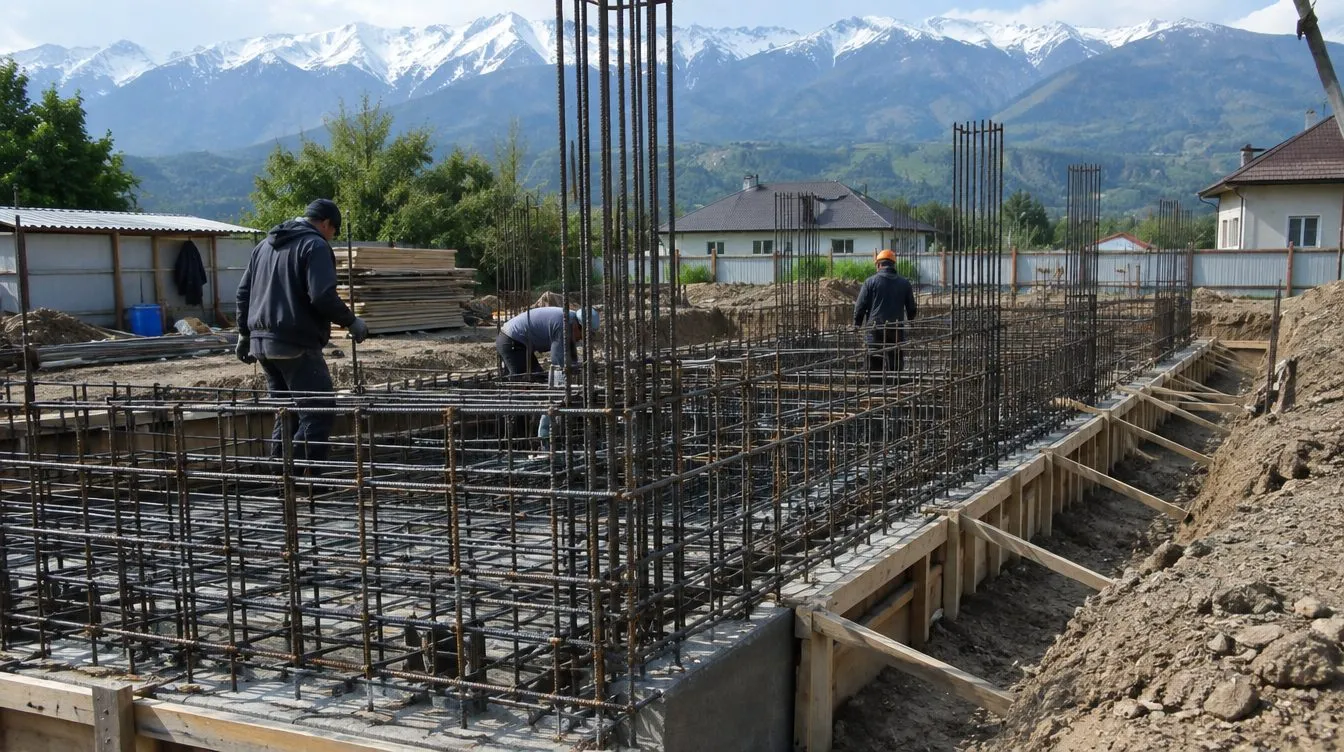
- concealed works — reinforcement, waterproofing, embedded parts — before they are covered up;
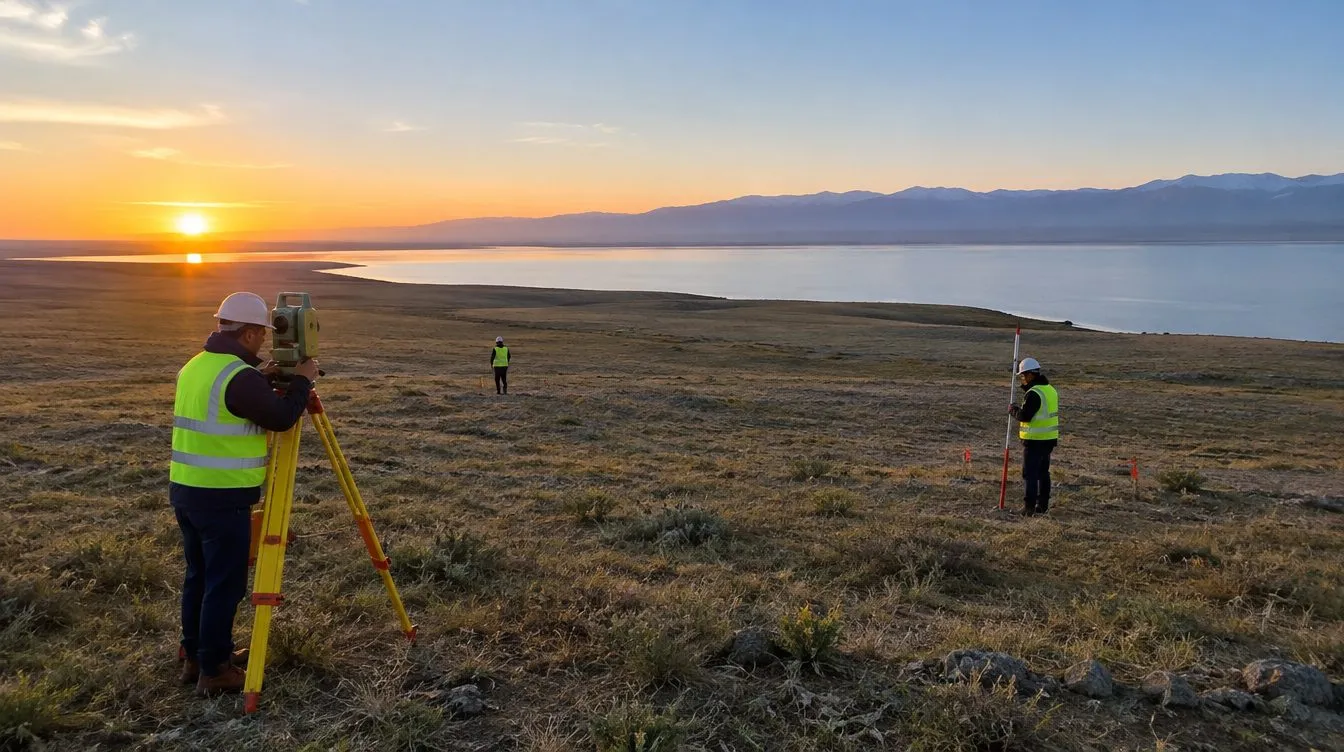
- surveying: grid lines, elevations, verticality of structures;
- quantities and costs in the certificates of completed works;
- maintenance of as-built documentation;
- adherence to the schedule.
Why supervision must be independent
If control is carried out by the contractor itself, there is a conflict of interest: it is hard to demand that your own work be redone at your own expense. An independent engineer records violations in writing and does not sign the acts until the remarks have been resolved. In practice this returns money to the client for work that was not performed and prevents costly rework.
Control by the contractor
- remarks are settled "internally" and the client never hears about them;
- quantities in the acts are checked by the party that issues them;
- concealed works are covered up without independent recording;
- in a dispute the client has no evidence base.
Independent technical supervision
- every violation is recorded in the log and in photos;
- acts are signed after the quantities have actually been verified;
- concealed works are accepted before they are covered up;
- there are documents for claims and warranty cases.
Concealed works — the main risk
Rebar in a foundation or waterproofing under a screed can no longer be checked once concreting is done. That is why inspection of concealed works with photo recording is a mandatory part of supervision. This is exactly where unscrupulous contractors cut corners most often: a smaller rebar diameter, wider spacing, a missing waterproofing layer, insufficient concrete cover.
| Type of work | What is checked before covering up | Consequences of skipping it |
|---|---|---|
| Reinforcement of foundations and floor slabs | diameter, spacing, laps, concrete cover | reduced load-bearing capacity, cracks |
| Waterproofing | layers, laps, junctions | leaks into the basement, opening up structures |
| Embedded parts and sleeves | position, quantity | drilling through finished concrete |
| Insulation | thickness, joints, fixings | freezing through, condensation |
| Concealed wiring and pipes | cross-section, material, pressure testing | opening up the finishes in case of failure |
Warning A concealed works act signed "retroactively" without an inspection is worthless. If the engineer was not on site on the day of acceptance, ask for photos tagged with location and date.
How supervision is organised
- Documentation review Checking the design, the estimate and the contract before works begin: design errors are cheapest to fix on paper.
- Incoming inspection Checking delivered materials, certificates and compliance with the grades specified in the design.
- Site visits On schedule and at key stages: setting out the grid lines, reinforcement, concreting, frame erection, roofing.
- Acceptance of concealed works Inspection with photos and signing of acts before structures are covered up.
- Checking the acts Reconciling quantities in the KS forms with the work actually performed and with the estimate.
- Reporting Regular reports to the client: what has been done, what remarks were issued and how they are being resolved.
- Final acceptance Participation in the acceptance of the facility and control of the as-built documentation for commissioning.
When technical supervision is a must
- construction funded from the state budget — technical supervision is required there by law;
- industrial and public buildings, facilities with an increased level of responsibility;
- a private house or renovation, if you cannot be on site every day;
- acceptance of an apartment or commercial premises from a developer.
Typical violations found by supervision
Most technical supervision remarks repeat from one project to the next. Knowing them helps the client understand what they are paying for:
- substitution of materials with cheaper ones without approval — a different concrete grade, lower-density insulation, cable with a smaller cross-section;
- concreting in frost without heating and curing, so the structure does not gain strength;
- welds and bolted connections of the steel frame without quality control;
- deviations from the design made "on the spot" — relocated openings, changed slopes, simplified details;
- inclusion in the acts of works that have not yet been performed or have been performed only partially;
- missing as-built documentation, without which the facility cannot be commissioned.
What it costs and how it pays off
The cost of technical supervision is usually 1–3% of the estimated construction cost and depends on the complexity of the facility, the frequency of visits and the distance. For a private house or renovation, supervision is usually paid per visit or monthly. The payback comes from several sources: unperformed quantities removed from the acts, prevented rework, no claims at commissioning, and a documentary basis for warranty claims. In practice, a single violation detected in the foundation or the roof is often enough for supervision to pay for itself in full.
Tip Bring in technical supervision before signing the contract with the contractor: the engineer will check the estimate and the contract, and the terms on acceptance of concealed works and on site access for supervision will be set out in advance.
The company provides technical supervision services at facilities of any type — both on its own projects and on sites of other contractors. Reports and photo records are available to the client in their personal account.
We will put technical supervision on your project Tell us about your construction — we will propose a visit schedule and the cost.
Submit a request